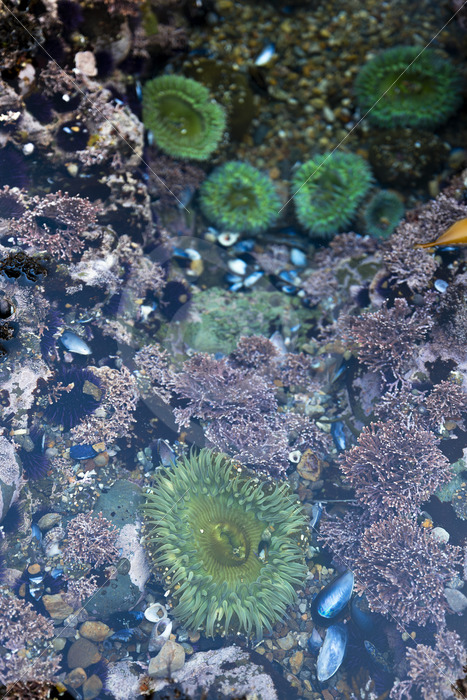
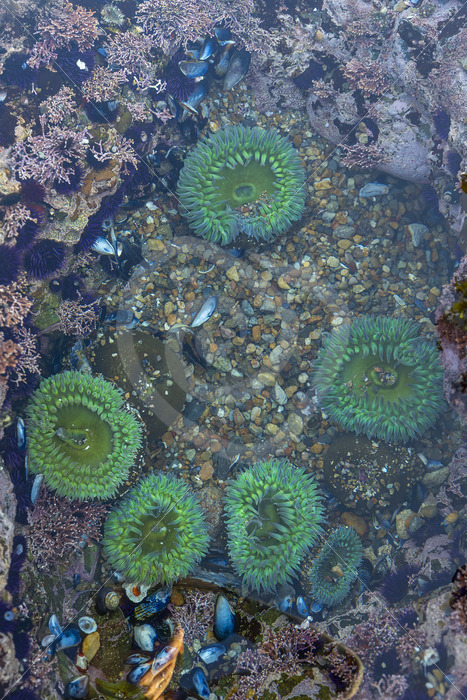
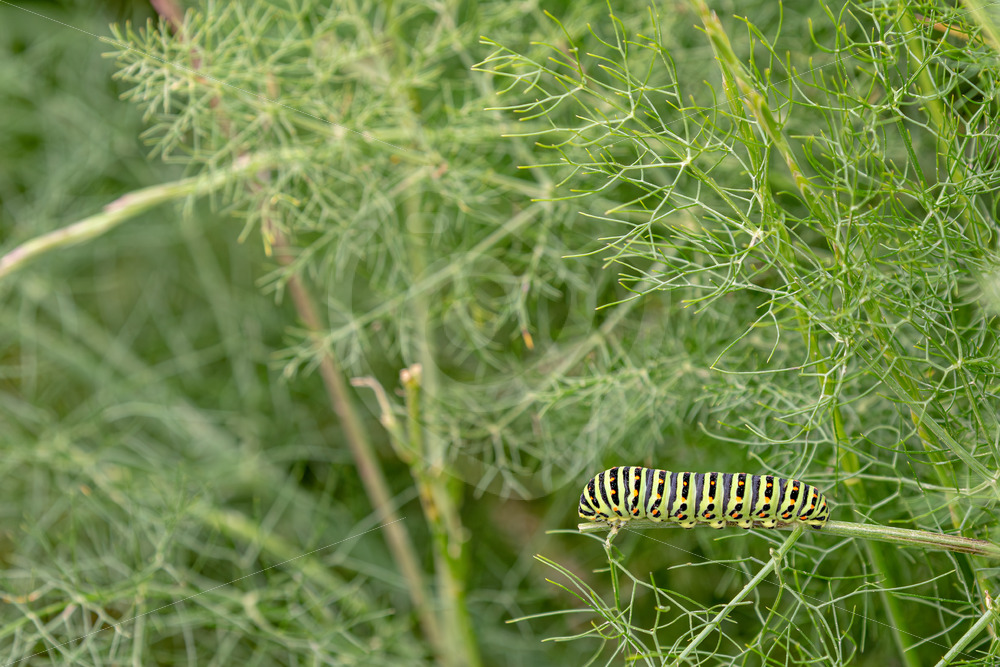
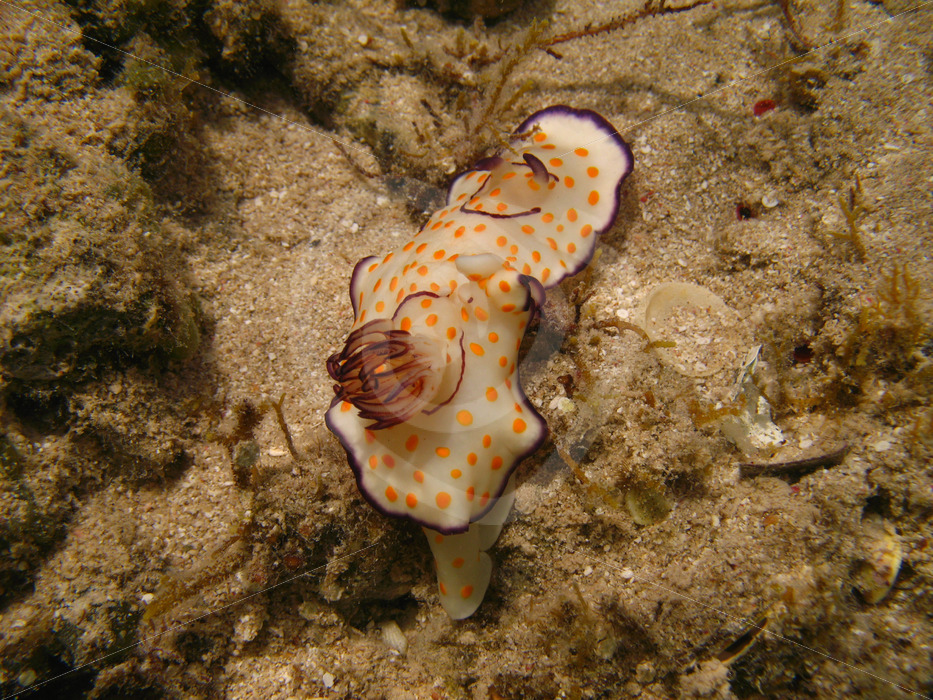
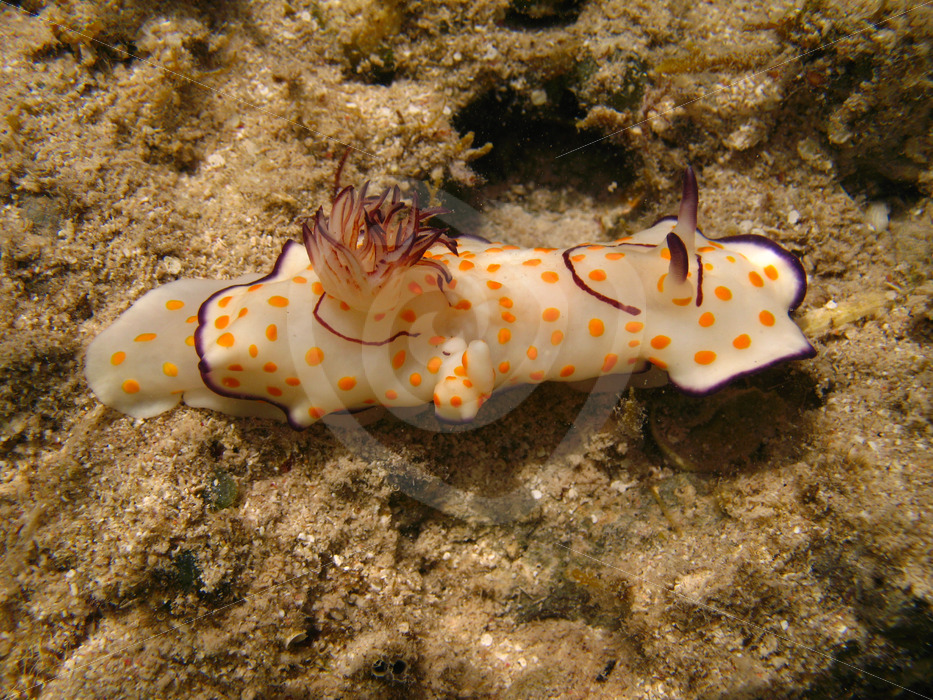
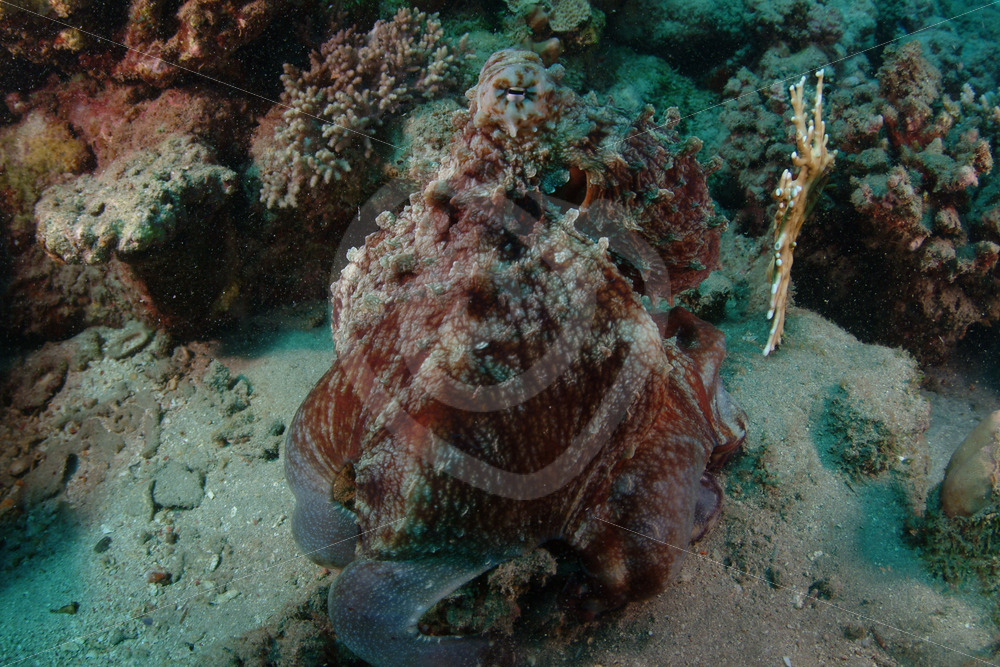
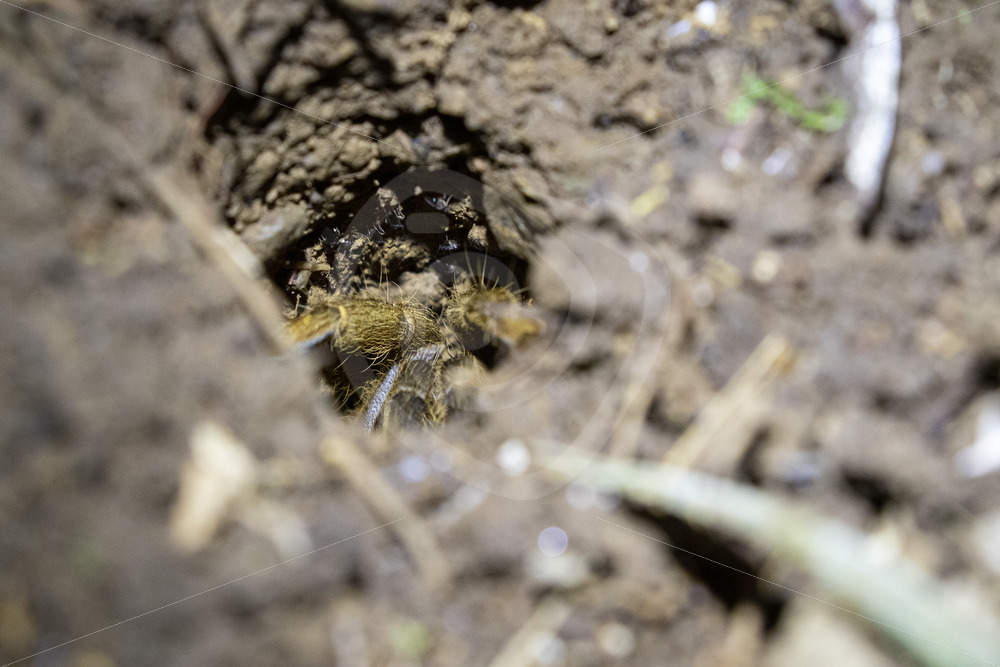
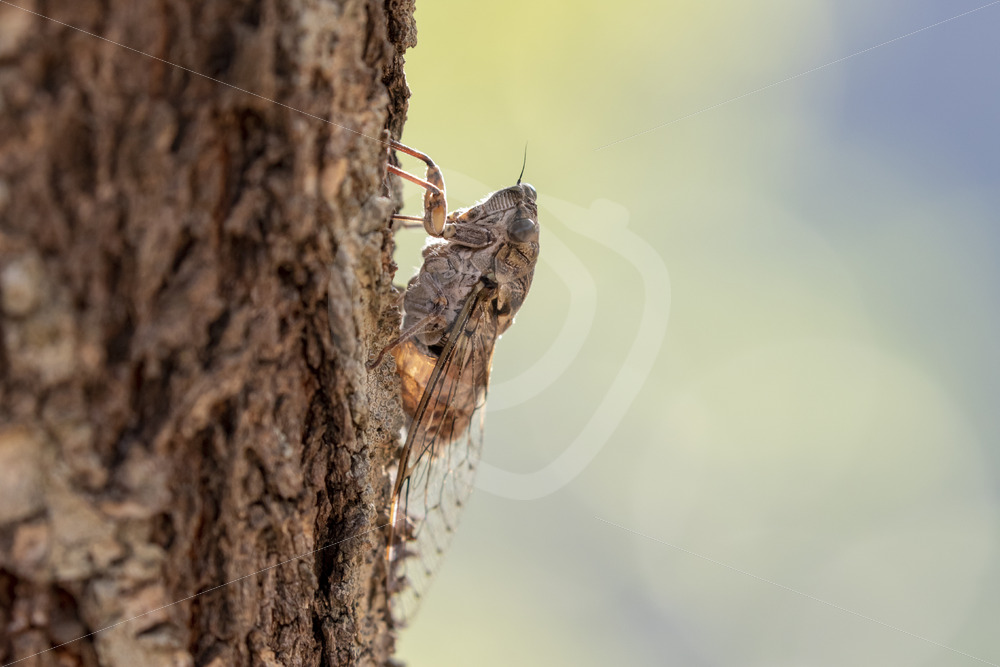
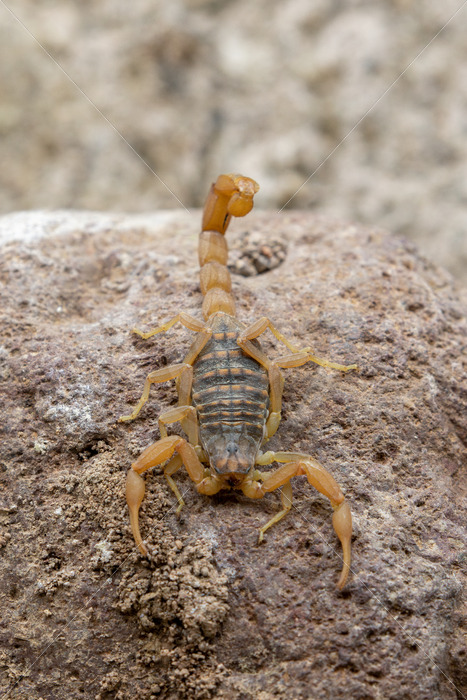
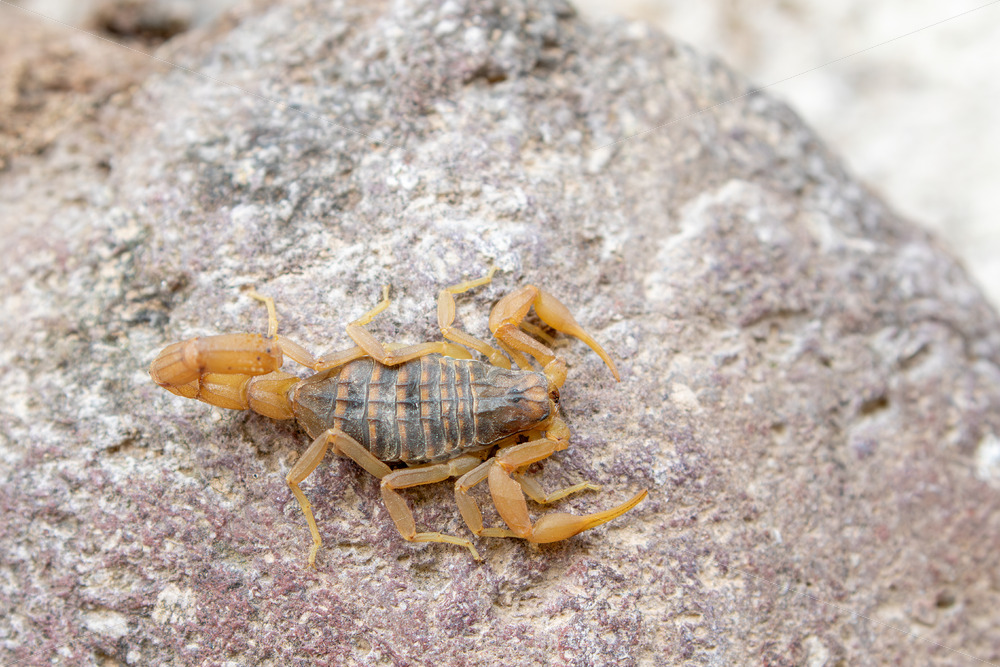
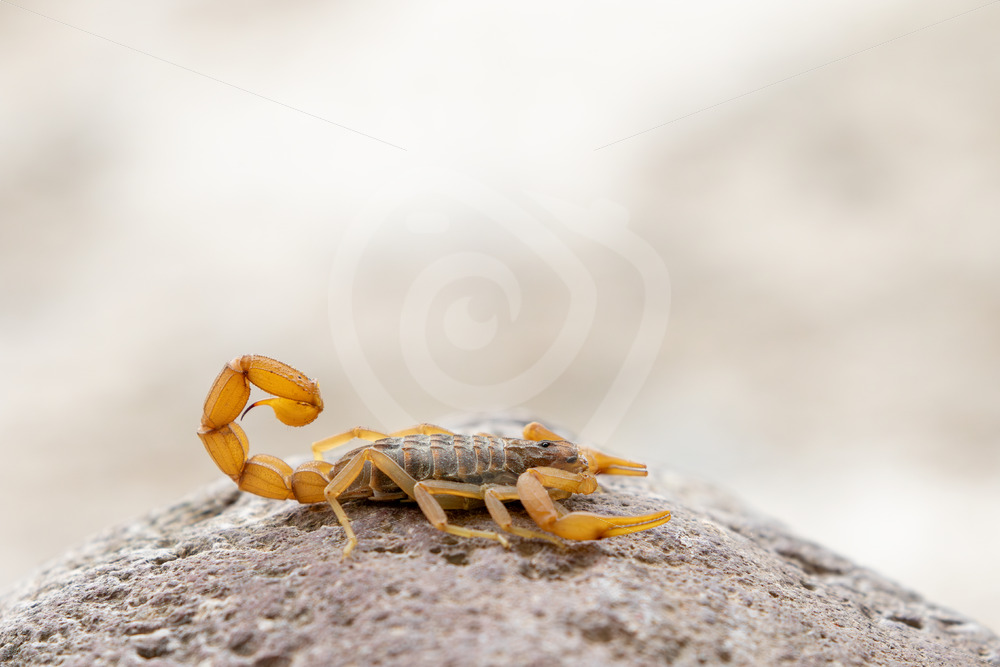
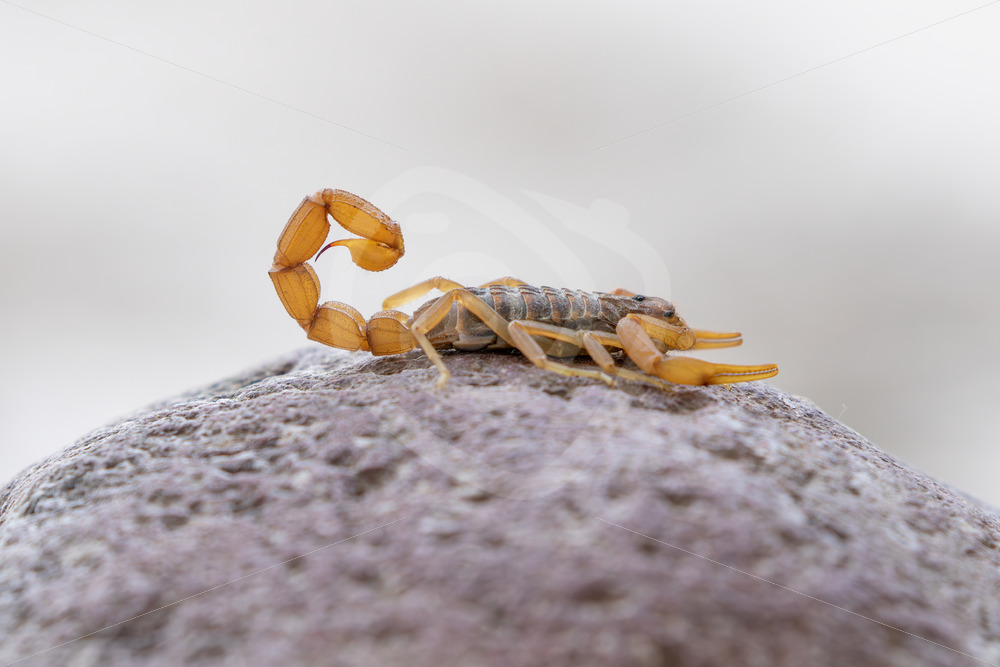
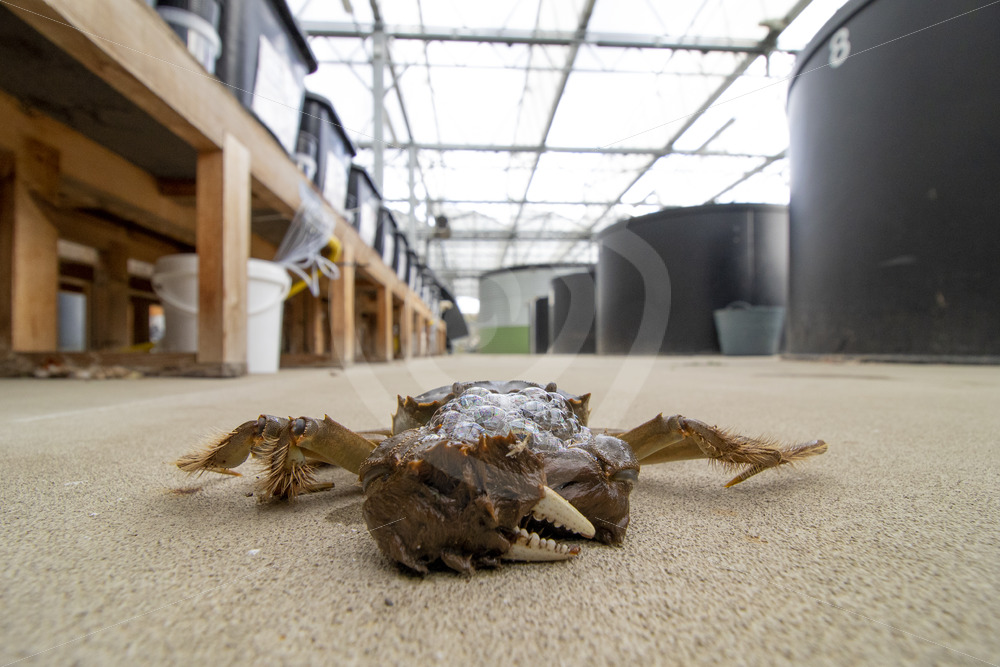
Invertebrates are animals that neither possess nor develop a vertebral column (commonly known as a backbone or spine), derived from the notochord. This includes all animals apart from the subphylum Vertebrata. Familiar examples of invertebrates include arthropods (insects, arachnids, crustaceans, and myriapods), mollusks (chitons, snails, bivalves, squids, and octopuses), annelids (earthworms and leeches), and cnidarians (hydras, jellyfishes, sea anemones, and corals).
The majority of animal species are invertebrates; one estimate puts the figure at 97%. Many invertebrate taxa have a greater number and variety of species than the entire subphylum of Vertebrata.
Some of the so-called invertebrates, such as the Tunicata and Cephalochordata are more closely related to the vertebrates than to other invertebrates. This makes the invertebrates paraphyletic, so the term has little meaning in taxonomy.