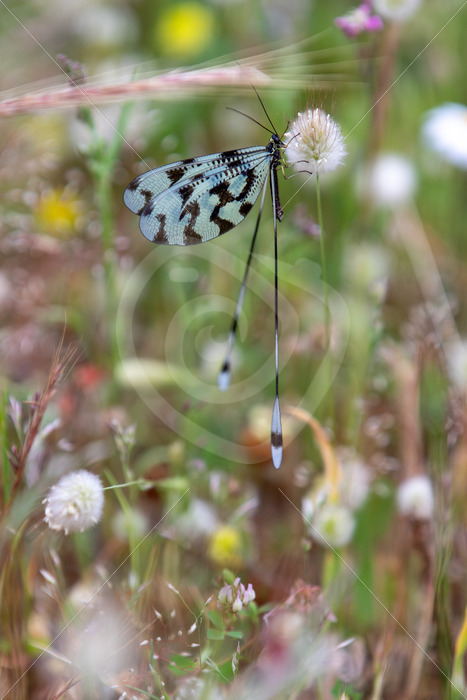
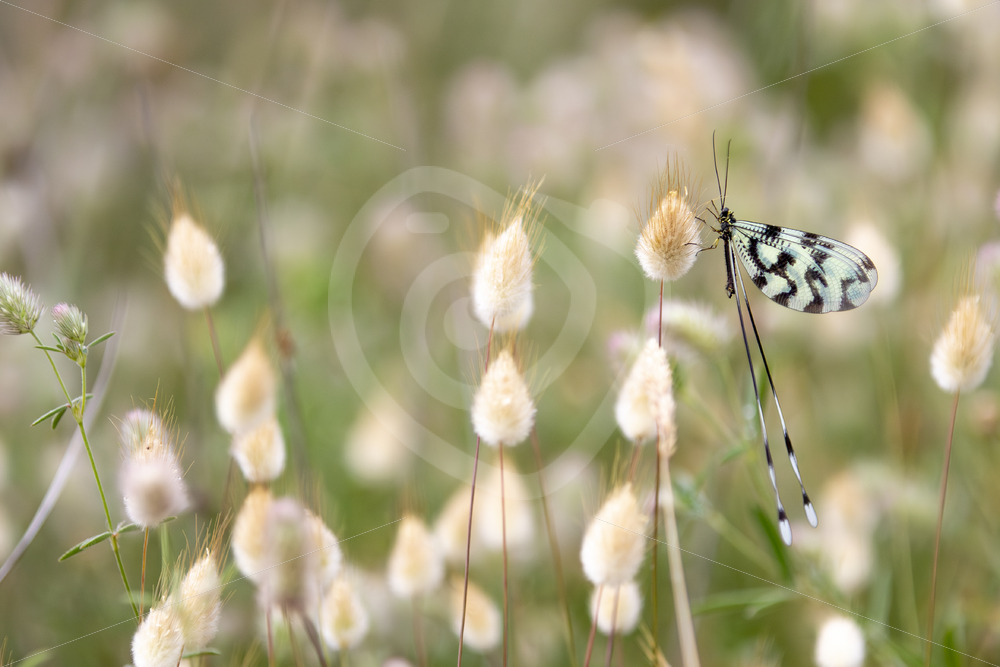
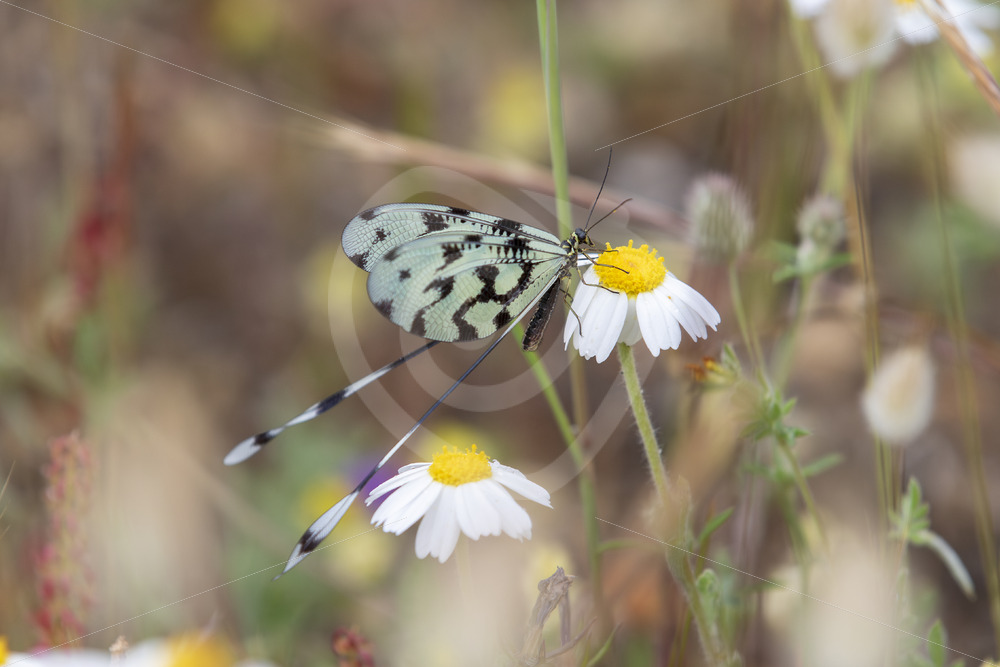
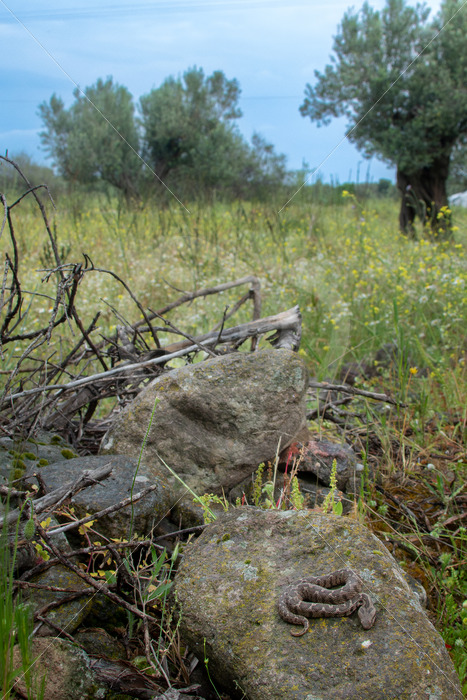
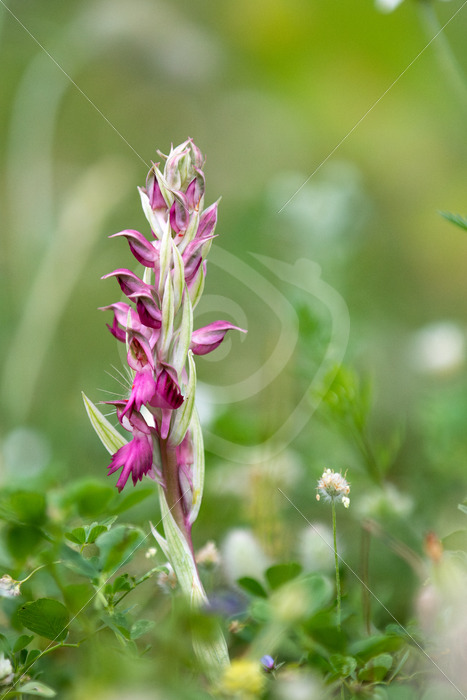
The Greek island of Lesvos, situated in the northeastern Aegean Sea, is a haven of unparalleled natural beauty and biodiversity. Renowned for its diverse landscapes, from rugged mountains to pristine beaches, Lesvos offers a rich tapestry of ecosystems that host an abundance of flora and fauna. Olive groves, emblematic of the Mediterranean, carpet the hillsides, interspersed with aromatic herbs like oregano and thyme, creating a sensory symphony that accompanies every exploration. Lesvos is a vital crossroads for migratory birds, making it a birdwatcher’s paradise. The wetlands of the island, such as the renowned Kalloni Bay, serve as critical resting points for countless species during their annual journeys. Flamingos, herons, and myriad waterfowl find refuge in these tranquil marshes, contributing to Lesvos’ reputation as one of Europe’s prime birdwatching destinations. The island’s coastal cliffs and sea caves provide nesting sites for seabirds, adding an ethereal soundtrack to the rhythmic lull of the waves. Underwater ecosystems are equally captivating, with vibrant marine life thriving in the crystal-clear waters surrounding Lesvos.
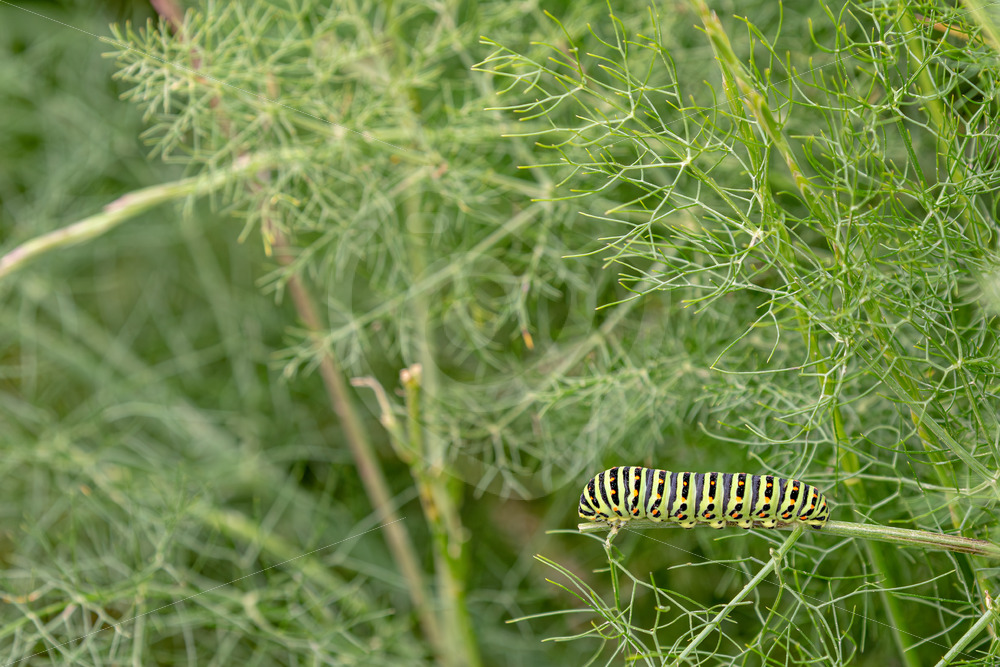
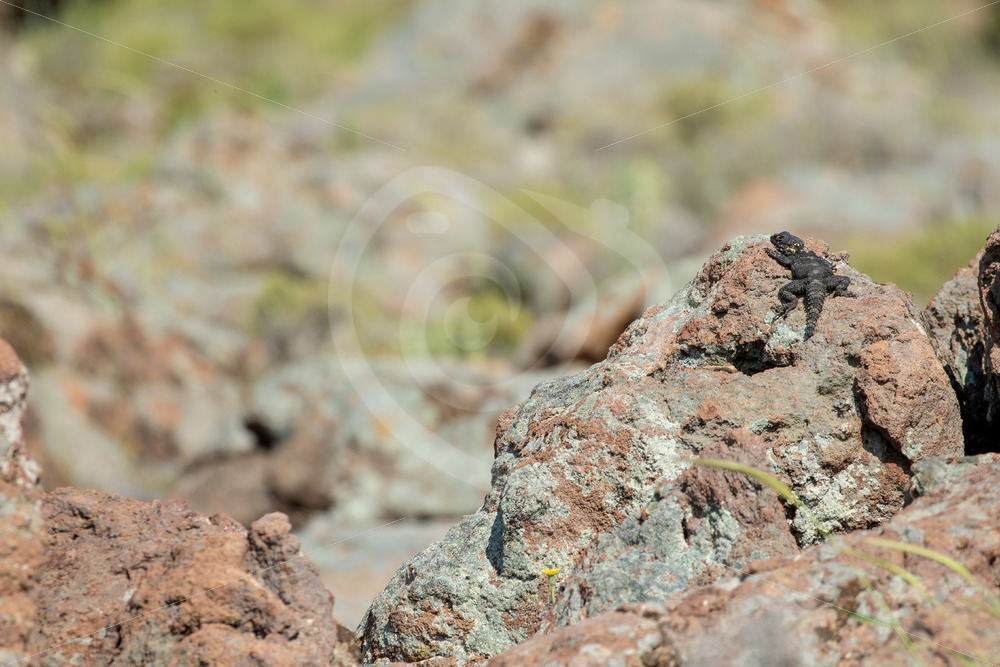
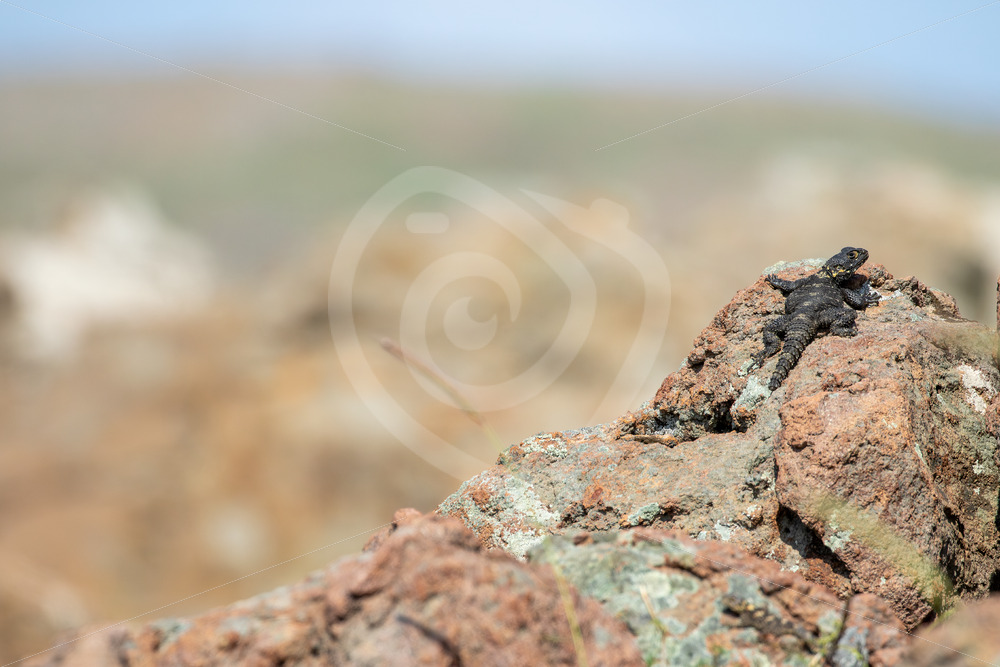
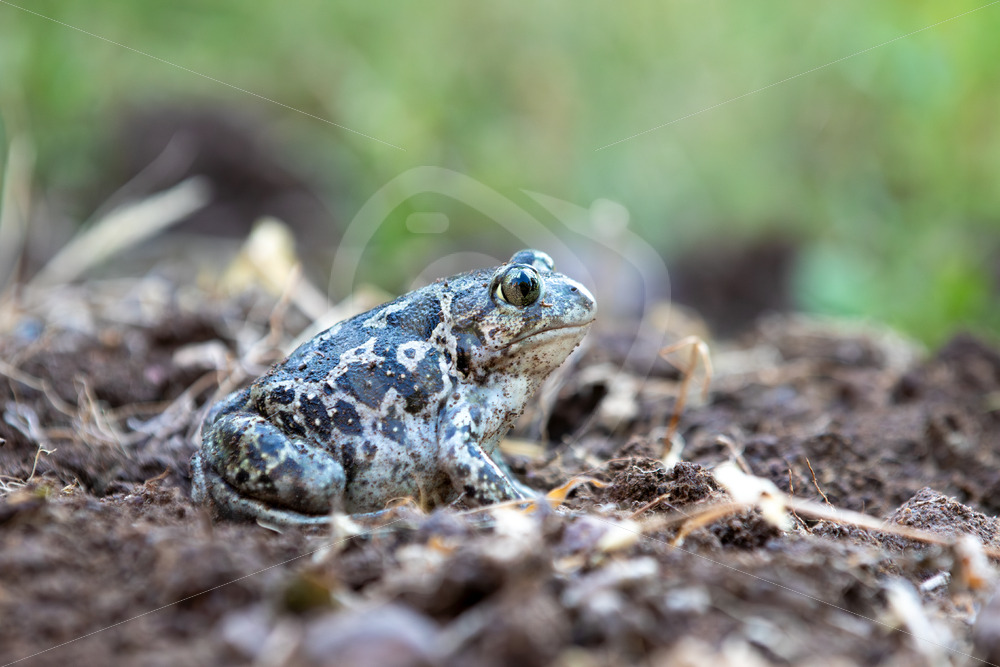
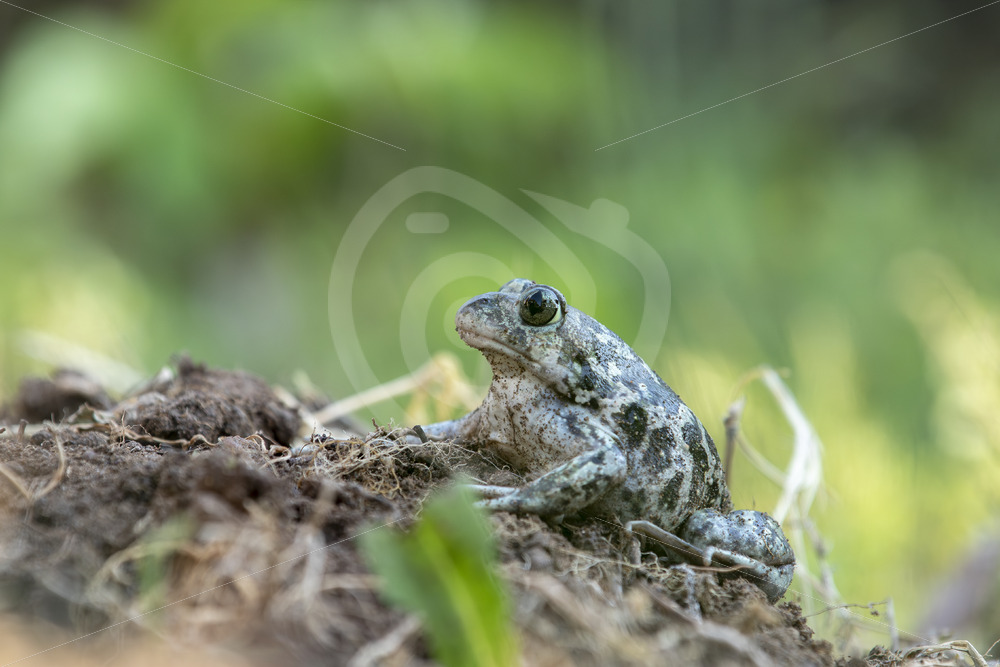
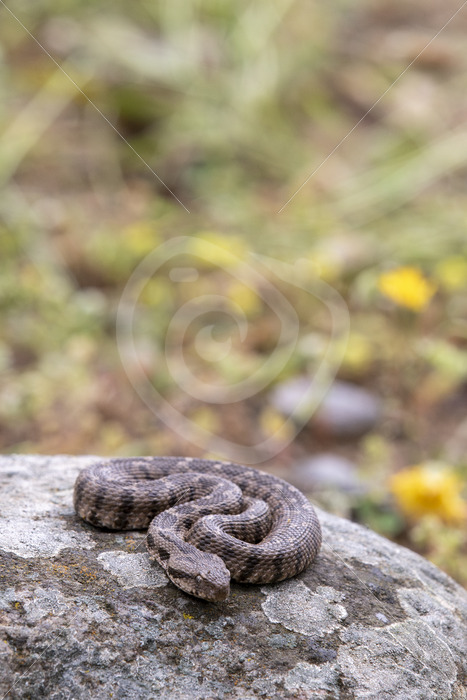
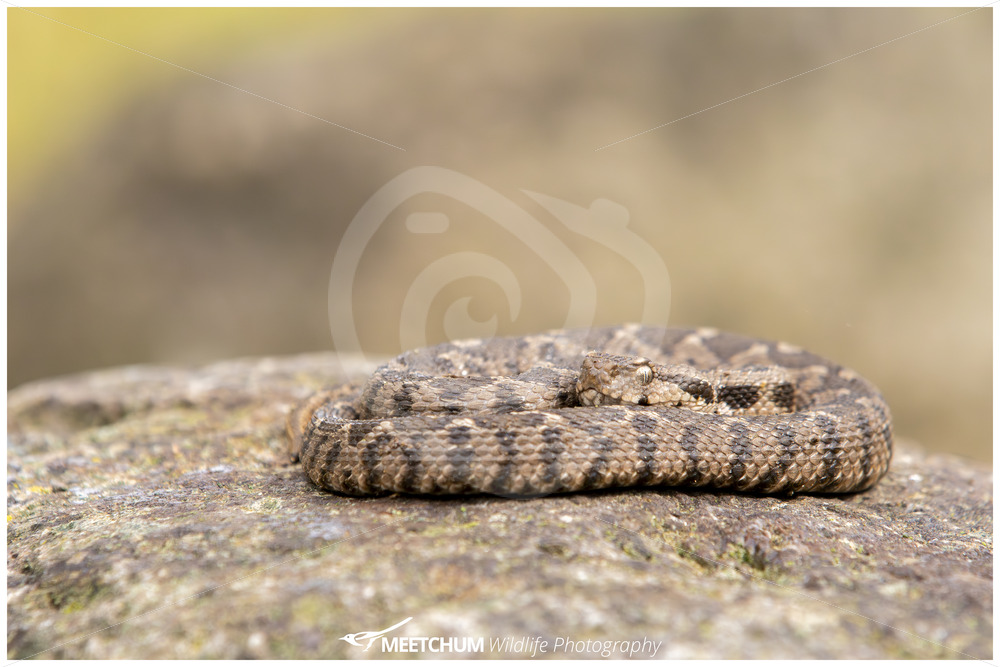
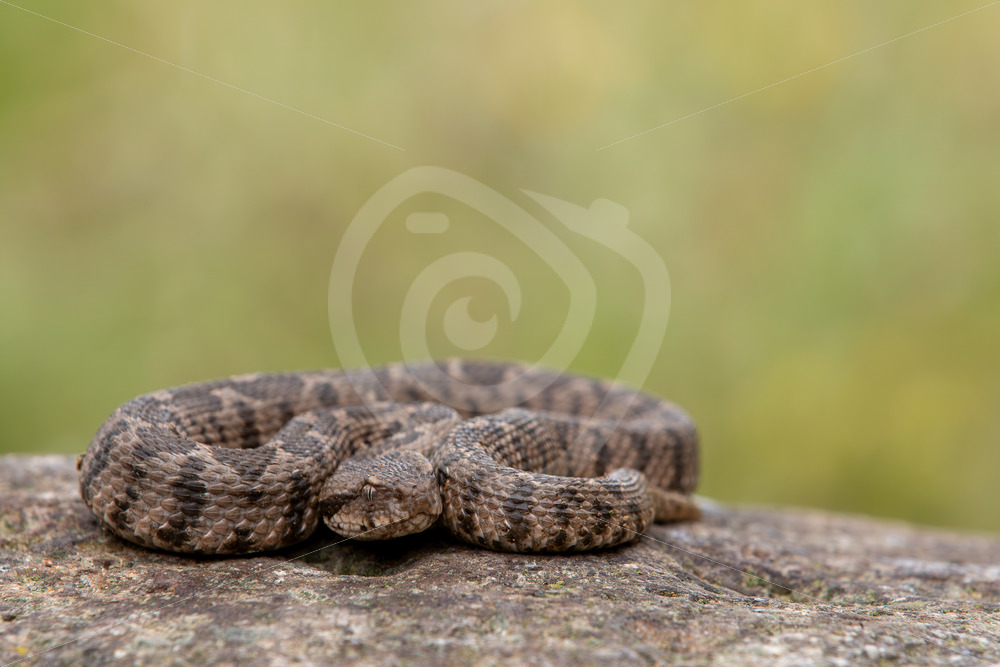
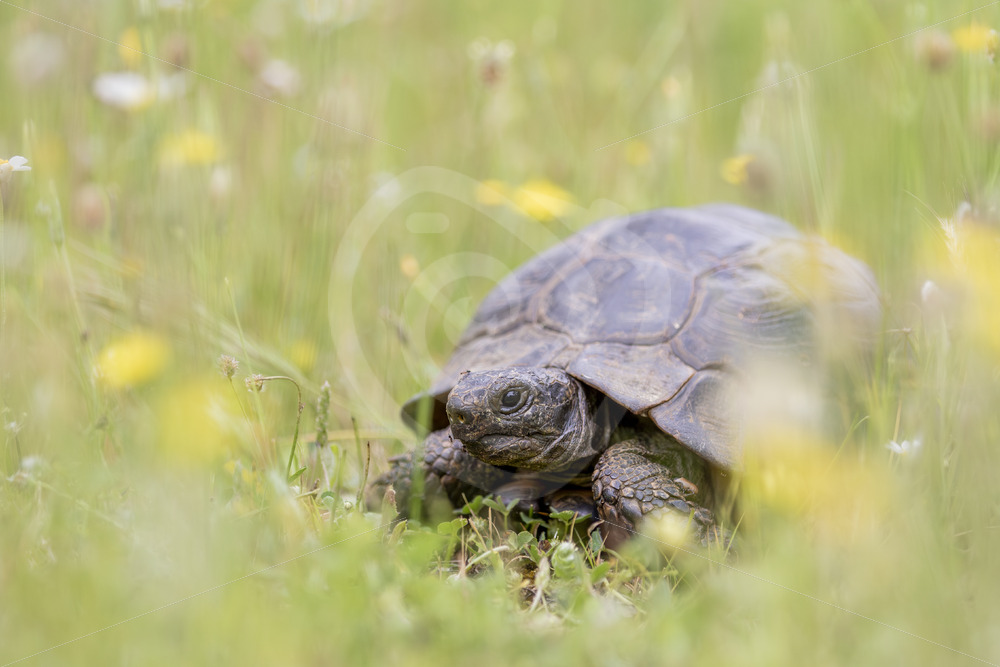
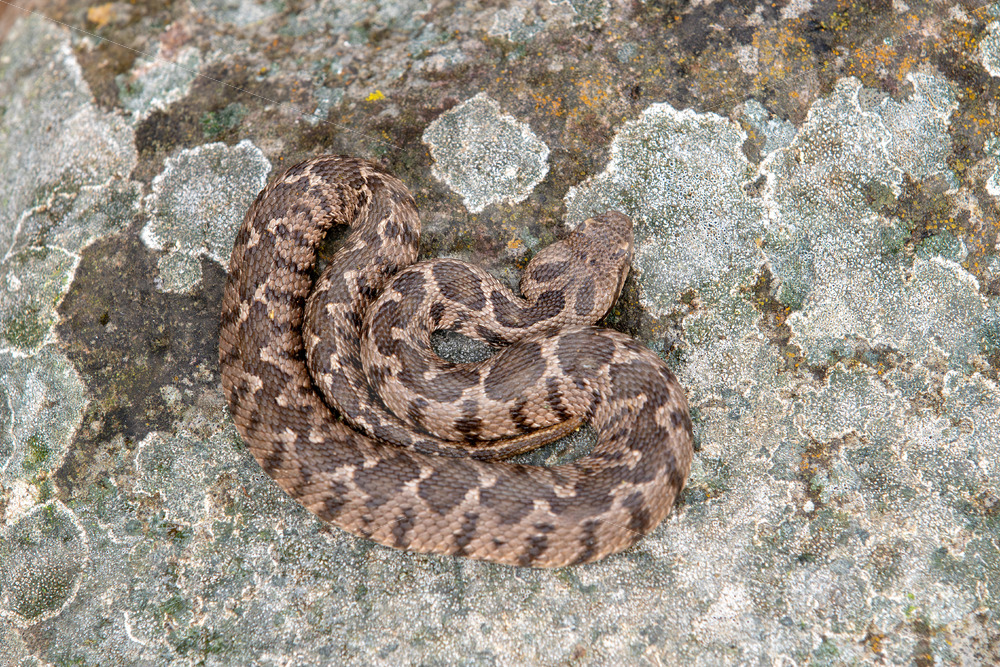
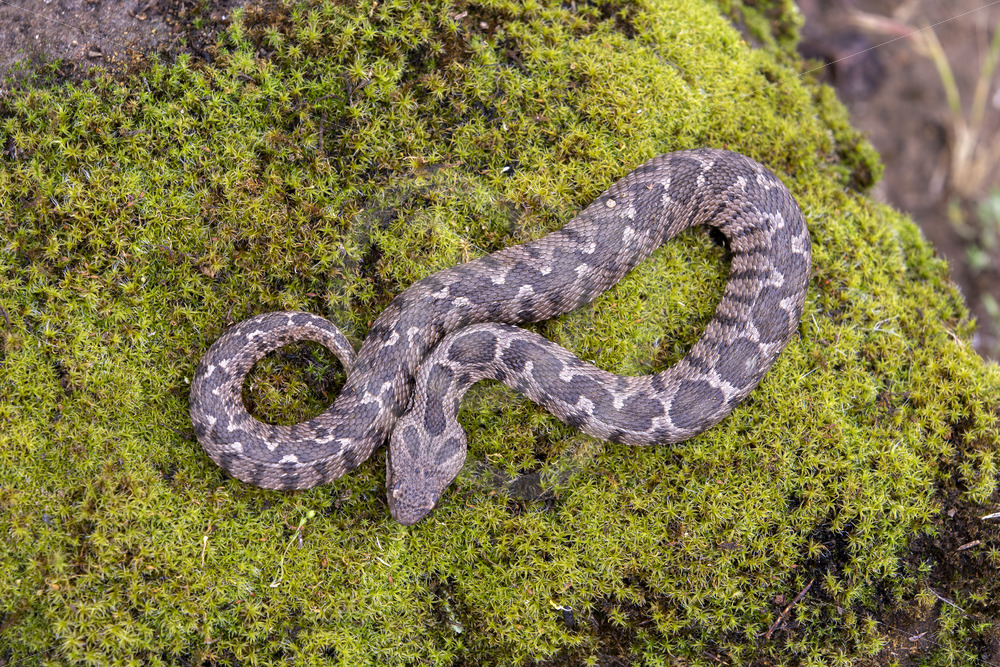
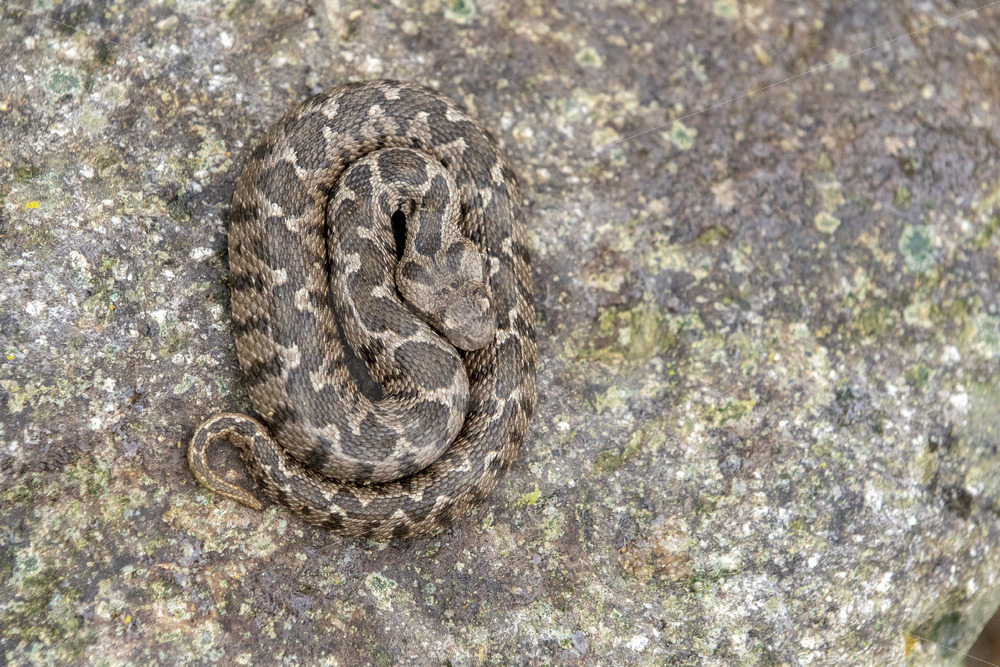
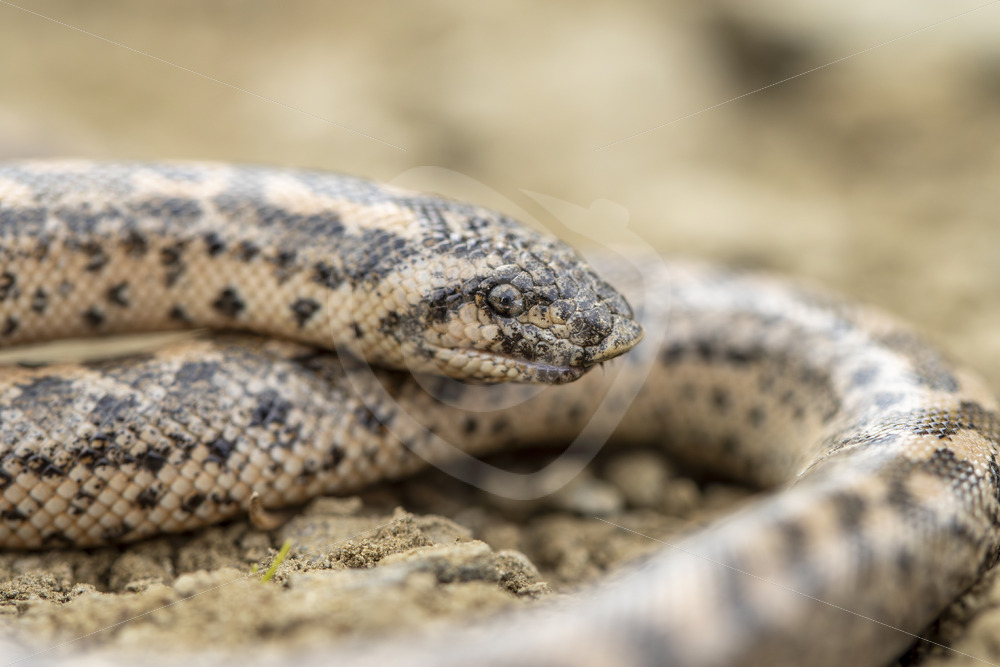
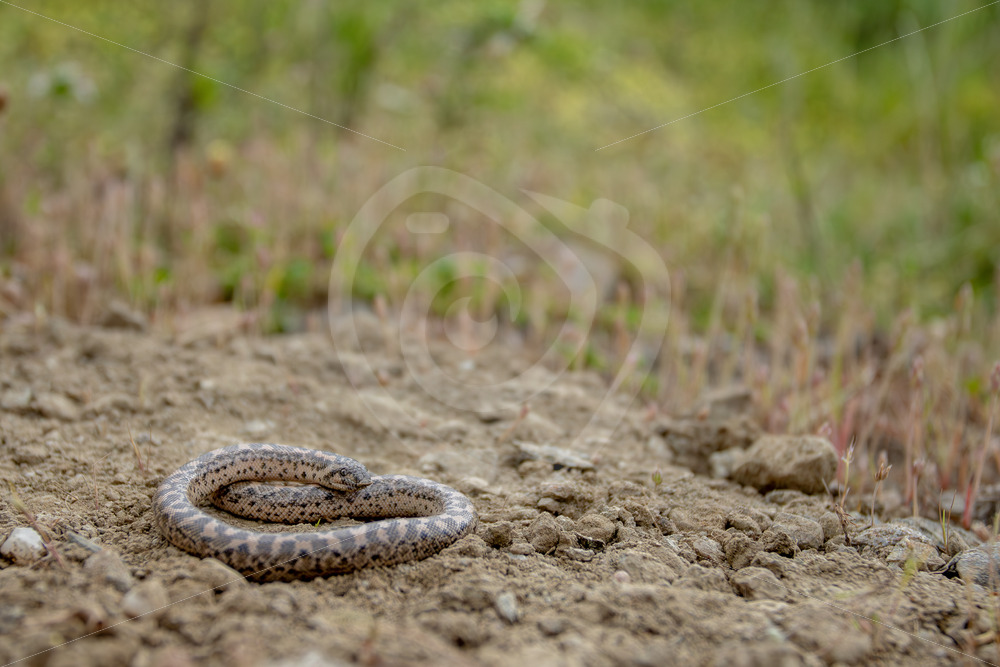
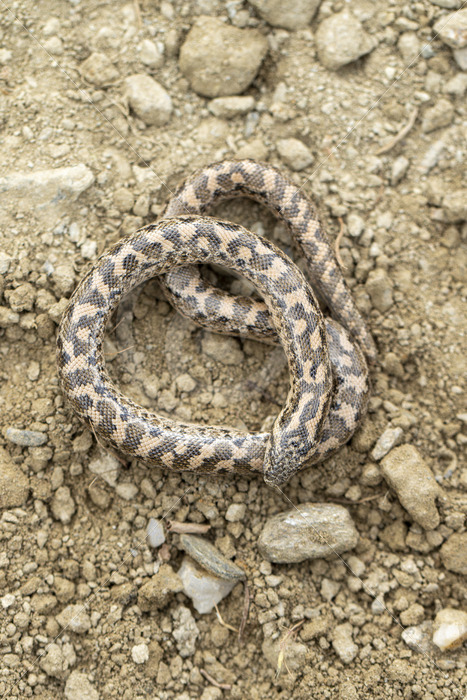
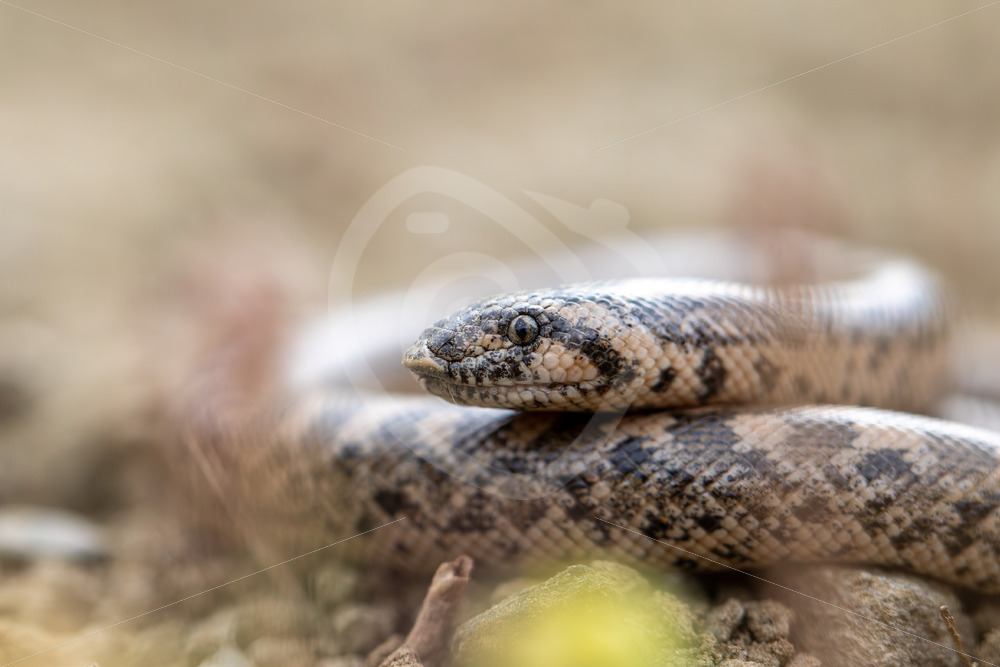
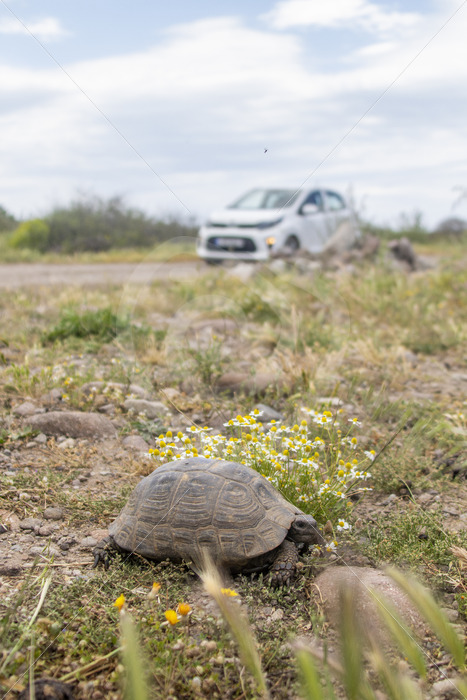
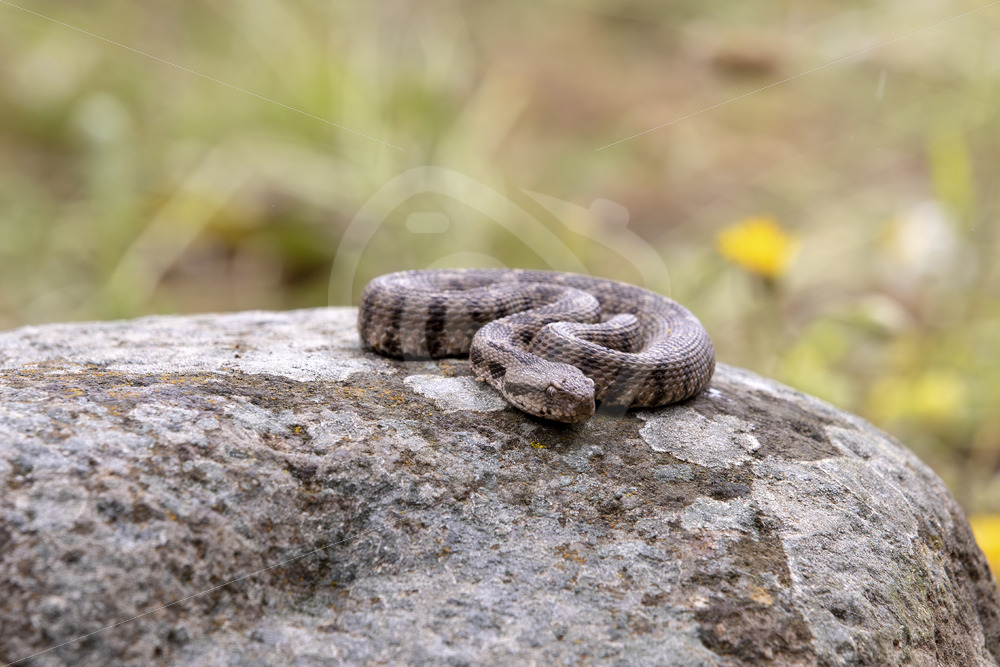
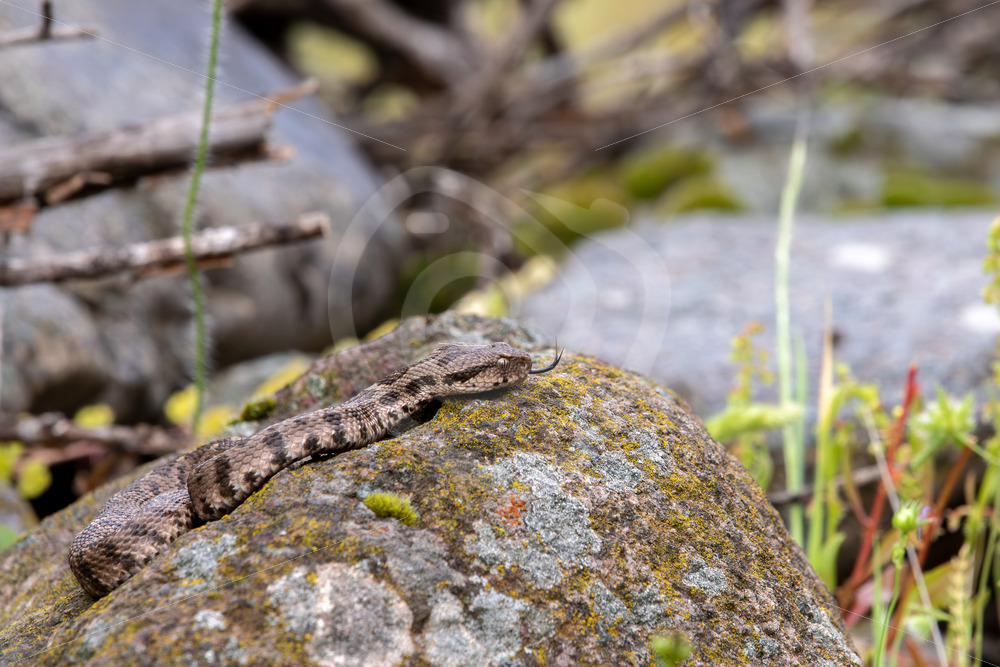
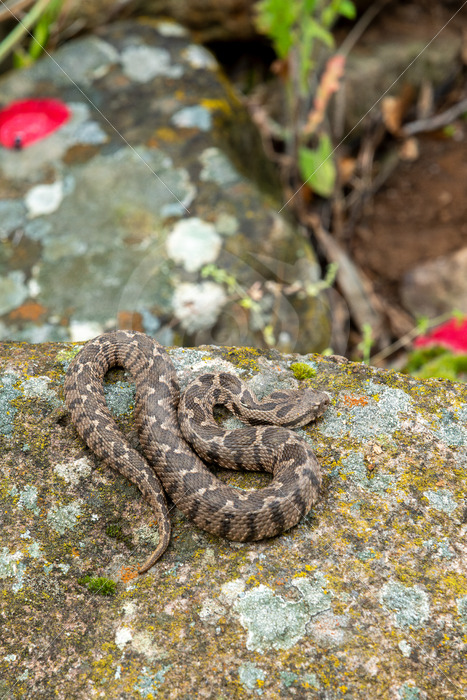
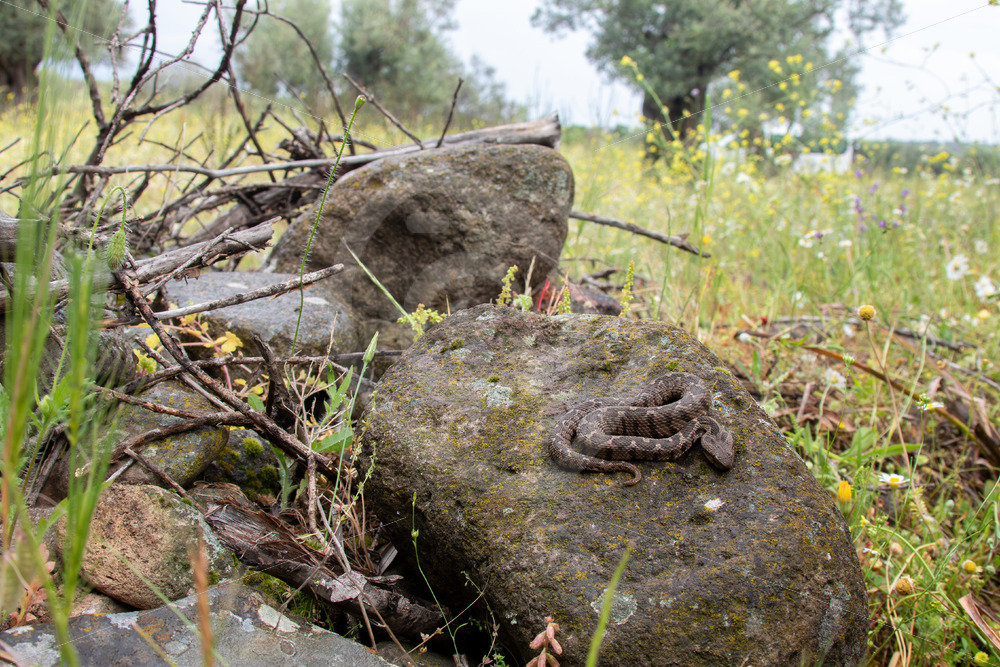
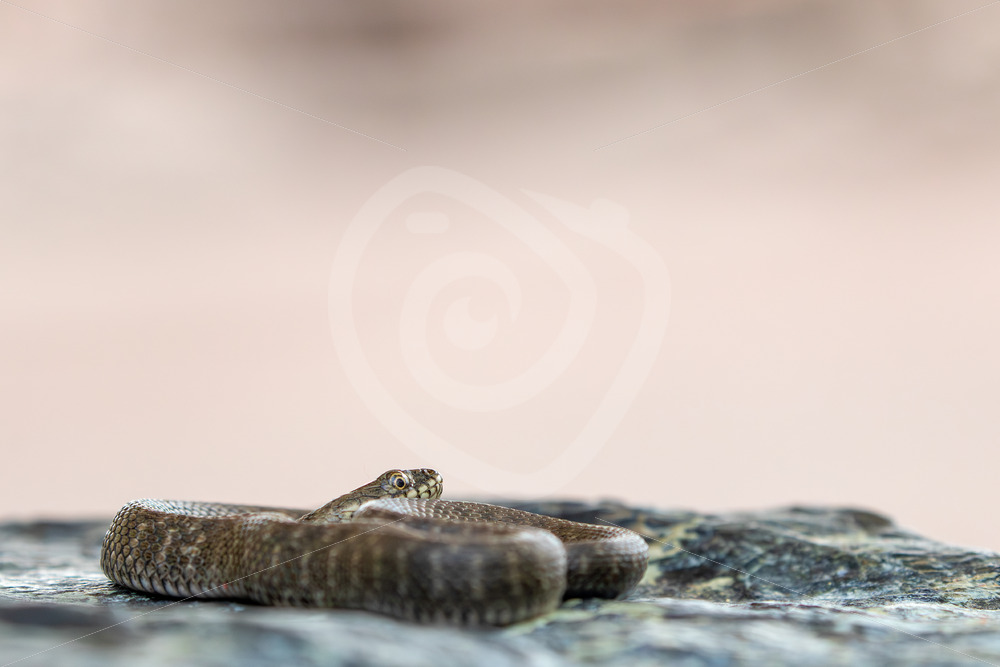
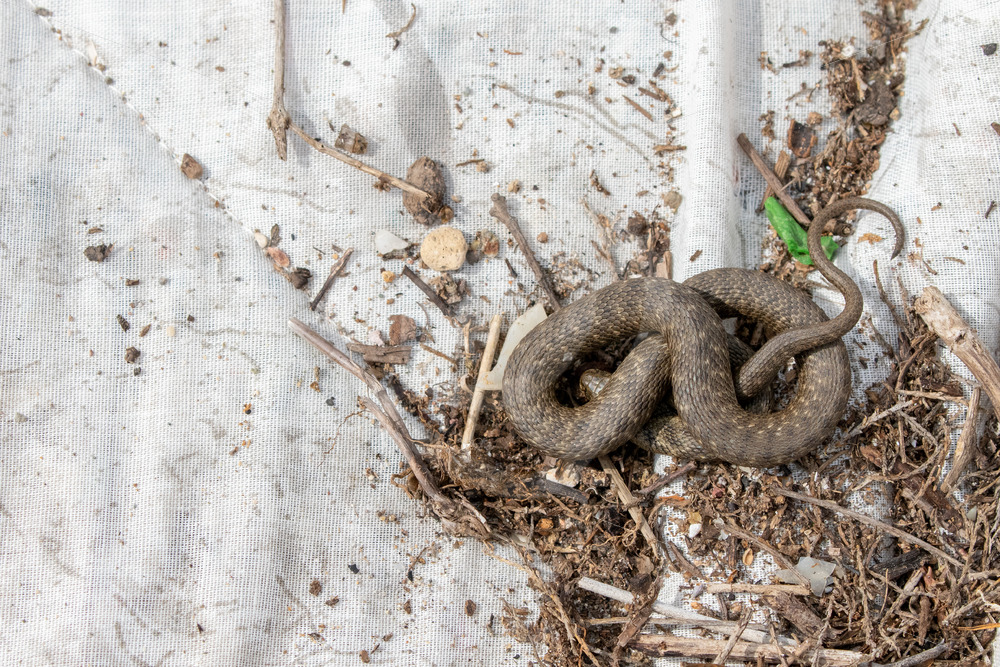
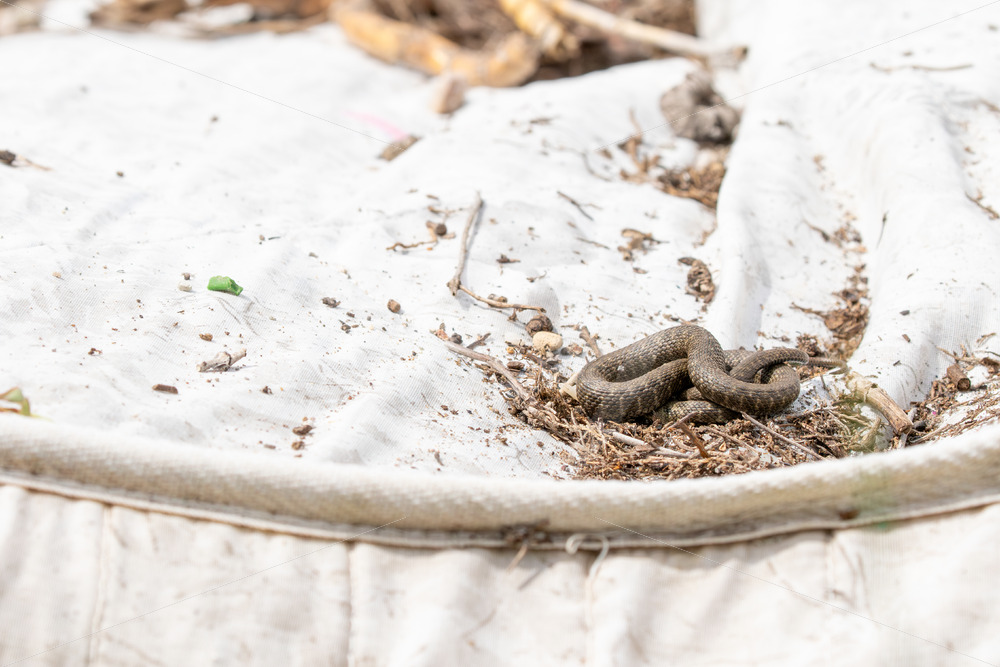
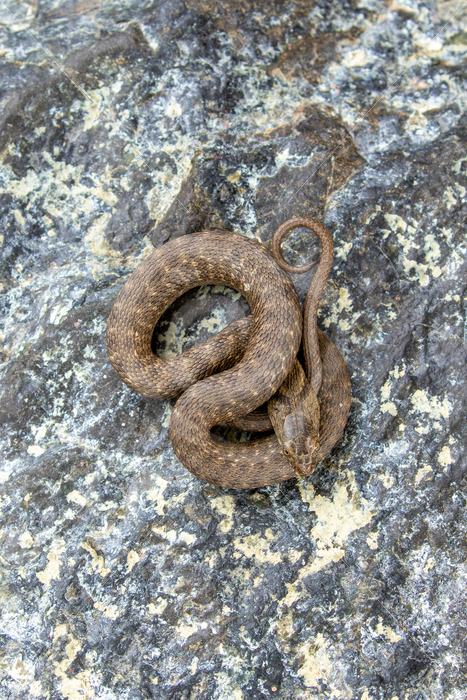
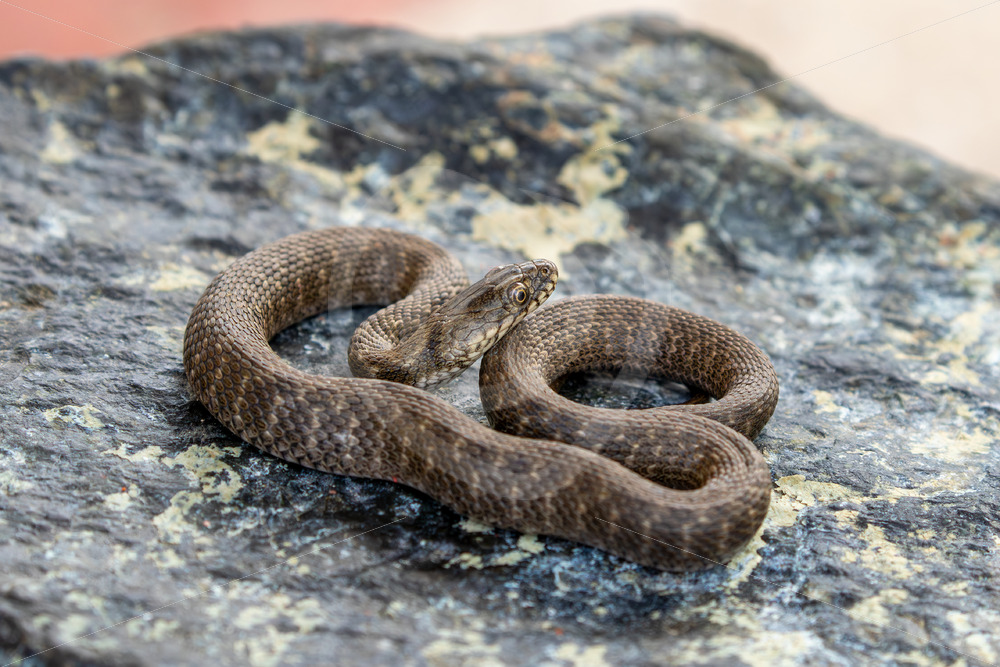
The diverse habitats of Lesvos also harbor a variety of terrestrial wildlife. Wild goats navigate the steep slopes, and the island is home to indigenous reptiles and amphibians. Lesvos is a sanctuary for endangered species like the Mediterranean monk seal, which finds refuge in the quiet coves and secluded beaches. Conservation efforts on the island strive to preserve this delicate balance between human activity and the natural world, ensuring that future generations can continue to marvel at the island’s ecological wonders. Whether exploring the ancient olive groves, birdwatching in the wetlands, or snorkeling in the azure waters, Lesvos beckons nature enthusiasts to immerse themselves in a symphony of sights and sounds that celebrate the untamed beauty of the Aegean landscape.